

Duty of Care Zimbabwe
Narrative Matters.
In April 2021, the Oxford Initiative visited Zimbabwe at the invitation of UN Women Zimbabwe and the Women’s Safe Spaces Initiative to co-design and deliver trauma-informed narrative training for delegates preparing to serve as citizen interviewers with the National Peace and Reconciliation Commission (NPRC).
According to the NPRC Strategic Framework, violence against women and girls remains entrenched in Zimbabwe’s social, economic, and political landscape, sustained by a culture of impunity surrounding sexual and gender-based crimes. Zimbabwean survivors of gender-based and politically motivated violence report that their psychosocial needs remain largely unmet — compounding the harm and prolonging the injustice.
Zimbabwe is not alone in this challenge. A global survey of the last fifteen years reveals a persistent absence of a culture of care and a lack of dedicated resources for women’s mental health following violence and trauma.
Storytelling is foundational to trauma recovery and can be both healing and empowering. When women are supported to speak and be heard, narrative becomes a pathway to dignity, agency, and systemic change.
It was an honor to contribute to this community’s vital efforts.

Oxford Initiative partners
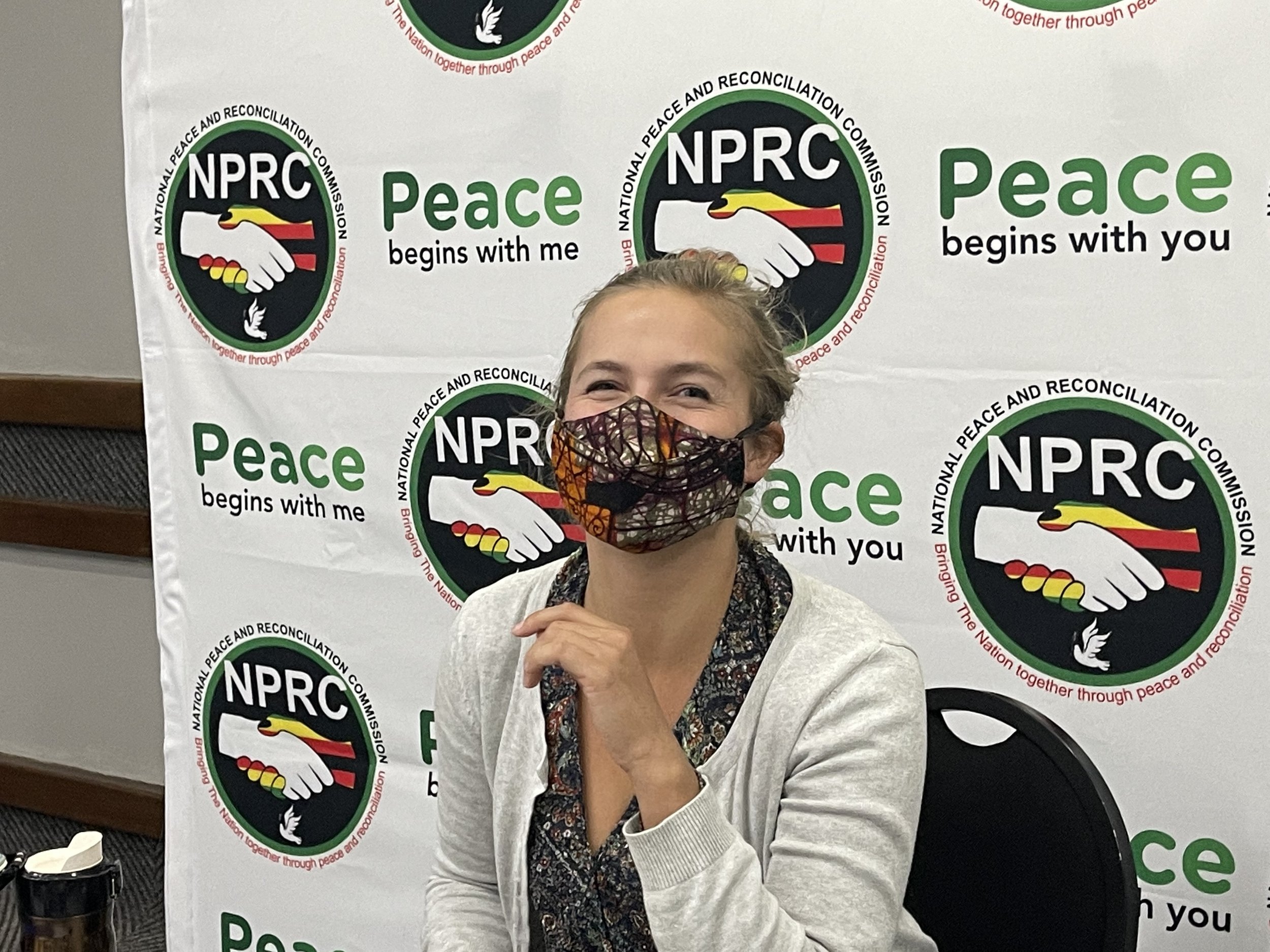
UN Women Zimbabwe staff
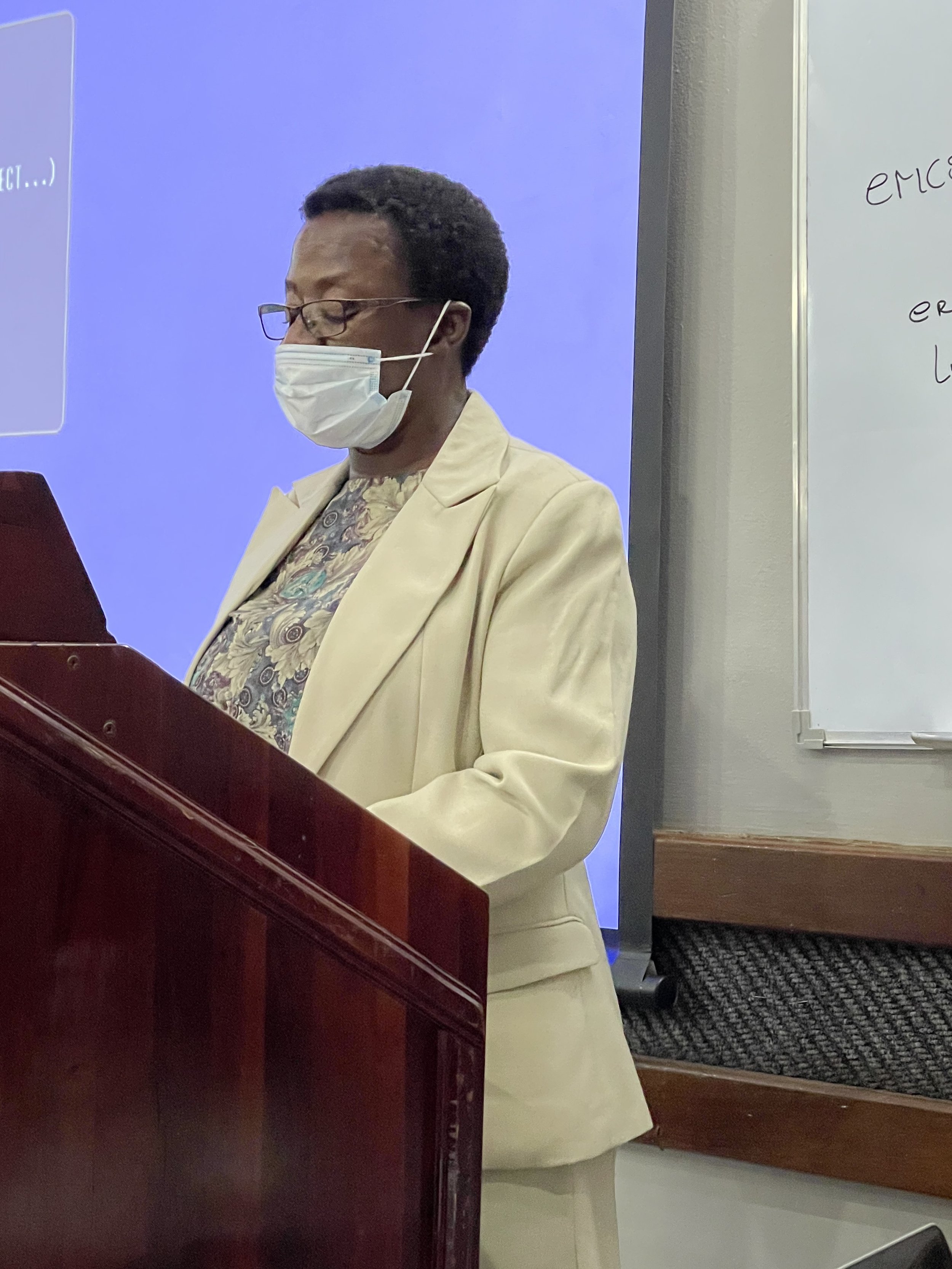
Lilian Chigwedere, Chair of NPRC
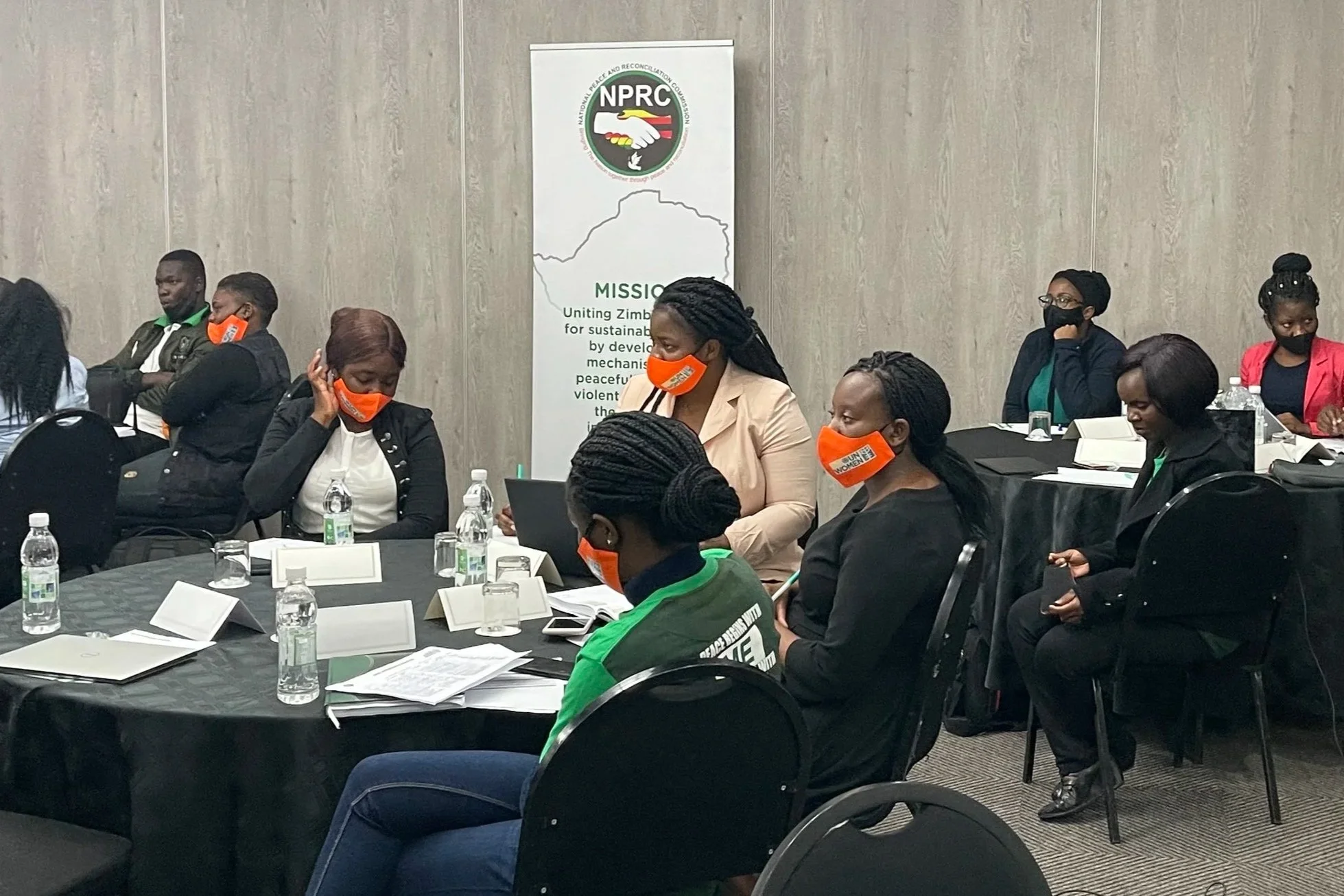
NPRC attorneys and staff
Duty of Care Training Modules
CAPACITY, WELLNESS, & RESILIENCE
MODULE 1: Psychological education and gender.
MODULE 2: Trauma-informed interventions.
MODULE 3: Duty of care for oneself and others.
MODULE 4: Trauma-informed narrative work.
MODULE 5: Aftercare: Post-interview
Objectives
Build capacity for mental health techniques for the staff of existing organizations assisting women in their communities.
Engage multi-disciplinary theories of narrative and narrative therapeutic techniques for community leaders and staff.
Fulfill our commitment to the human right to AAAQ (availability, accessibility, acceptability, and quality) for women in mental health services, especially after violence or trauma, and including staff wellness and response.
Promote techniques for self-care, wellness, and resiliency for staff of prevention and response programming.
Build organizational knowledge and capacity for organizations and women leaders for effective survivor-centered narrative therapy and other tools and techniques.
Spread the word that narrative therapeutic techniques are inexpensive and easily scalable within existing organizations.
Use storytelling and narratives to address the gaps in services for women survivors of violence or trauma, challenges that are often intergenerational and long-term.